
If you are deciding between photographing deer from a blind vs still hunting with a camera, neither one is better across the board, and they are good at different things. A blind on a spot you have already scouted will usually give you the better photograph, with deer closer and calmer, and still-hunting will usually teach you more because you cover more ground and learn how deer use a property. Most photographers end up using both, still-hunting first to learn a place and then sitting it once they know where to be.
That is the short version, and the rest of this post is a straightforward look at what each method gives you and what it costs you. It fits into the bigger approach covered in The Hunter’s Guide to Wildlife Photography.
The blind: maximum concealment, fixed view
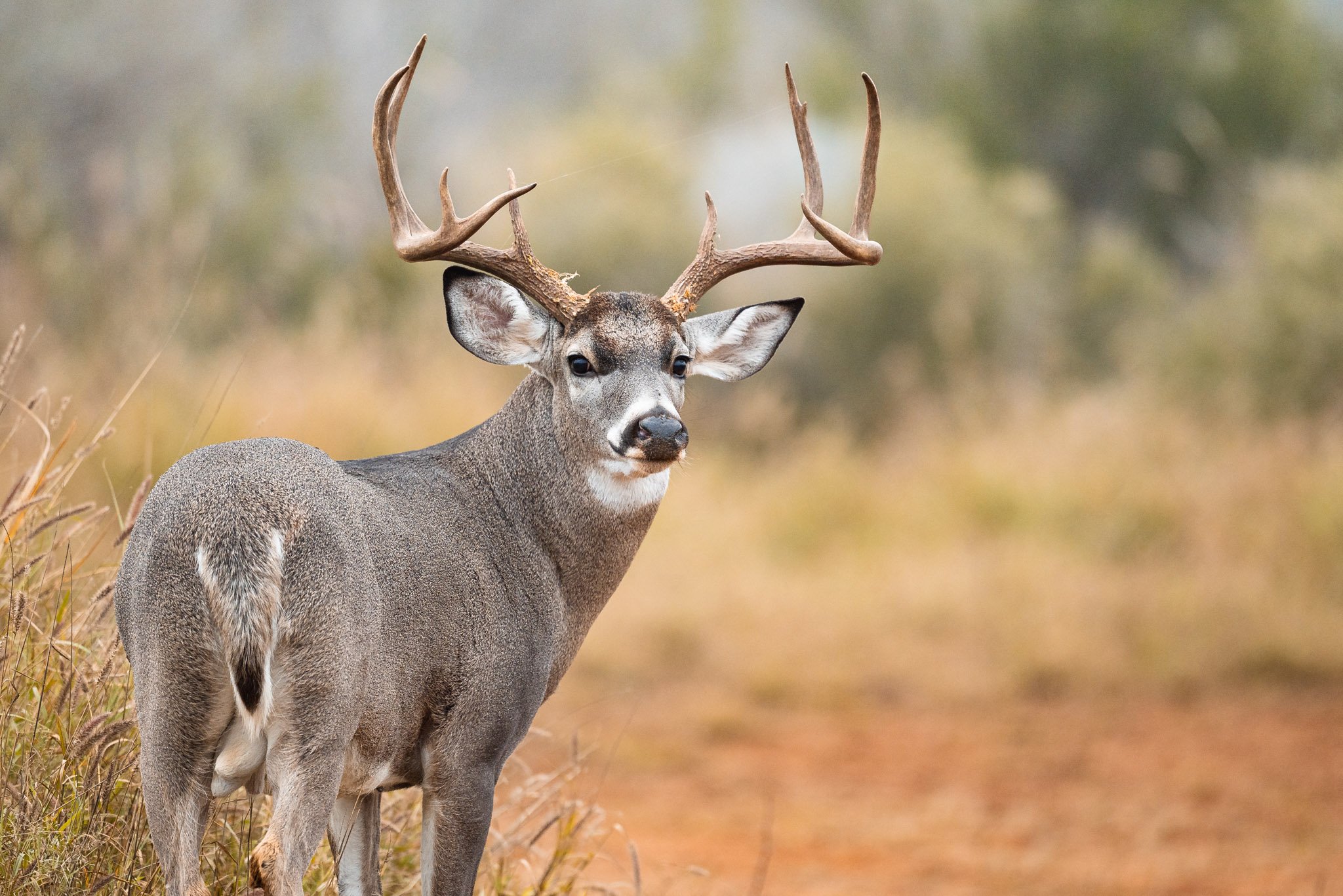
Nikon Z5, 500mm, f/5.6, 1/100. Dominick Gatto.
A blind that has been in the same place for a while is about the best concealment you can get, because deer get used to seeing it there and treat it like part of the landscape. Inside it you can shift in your seat and lift a long lens without that movement reaching the deer, and for photographing behavior, deer acting normal instead of staring at you, nothing else really comes close.
You also pick your background ahead of time, which you do not get when you are moving. Set the blind low, with the lens near the deer's eye level, and the backgrounds clean up and the portraits stop looking like they were taken by somebody standing over the animal.
The tradeoffs are real though, starting with the fact that your view never changes. A deer 20 yards to your left might as well be somewhere else, and the backgrounds can start to repeat if you sit the same 2 spots all season. A blind needs lead time too, because deer need days and ideally longer to accept it, and it does not hide your entry and exit, and a blind reached on the wrong wind is mostly a wasted morning.
Still-hunting: maximum freedom, maximum risk
Still-hunting is moving slowly through the woods, stopping a lot more than you walk, and working sign and wind the whole way, and it is the opposite trade from a blind. Every step changes your angle and your light and your background, so the photographs vary in a way blind work never does, and you follow the day instead of predicting it. You also learn the property the way only moving through it teaches you, including where you should eventually sit.
The cost is movement, and movement is the main way to get caught out there. A deer only needs motion that does not belong, and a walking photographer makes that constantly, along with noise and a scent trail that moves with him. The shooting time shrinks too, because most of your minutes are spent between places, and the encounters you get are shorter and more rushed.
It is also hardest when the photography is best, and that part is worth being honest about. At first light you can barely read the ground you are crossing and the deer are at their most alert, so a snapped twig can end things quickly. For close and calm photographs on ground you know, still-hunting loses to a blind most of the time.
The hybrid most photographers end up with
These two methods are not really rivals, and most photographers end up using them as a sequence. You still-hunt new ground slowly, treating it as scouting with a camera and learning the travel routes, the feeding areas, the bedding edges, and where the morning light falls, and [INTERNAL LINK: "Scouting for Photography, Not Hunting: Same Woods, Different Goal" goes deeper on this.] Then you sit what you learned, in a blind or a simple ground sit, with the wind right and the background chosen.
It is tempting to keep moving, because moving feels productive, and most of us have to learn that part the hard way. The close photographs and the eye level portraits come from being still in the right place when a deer arrives.
Decision guide: which method for which morning
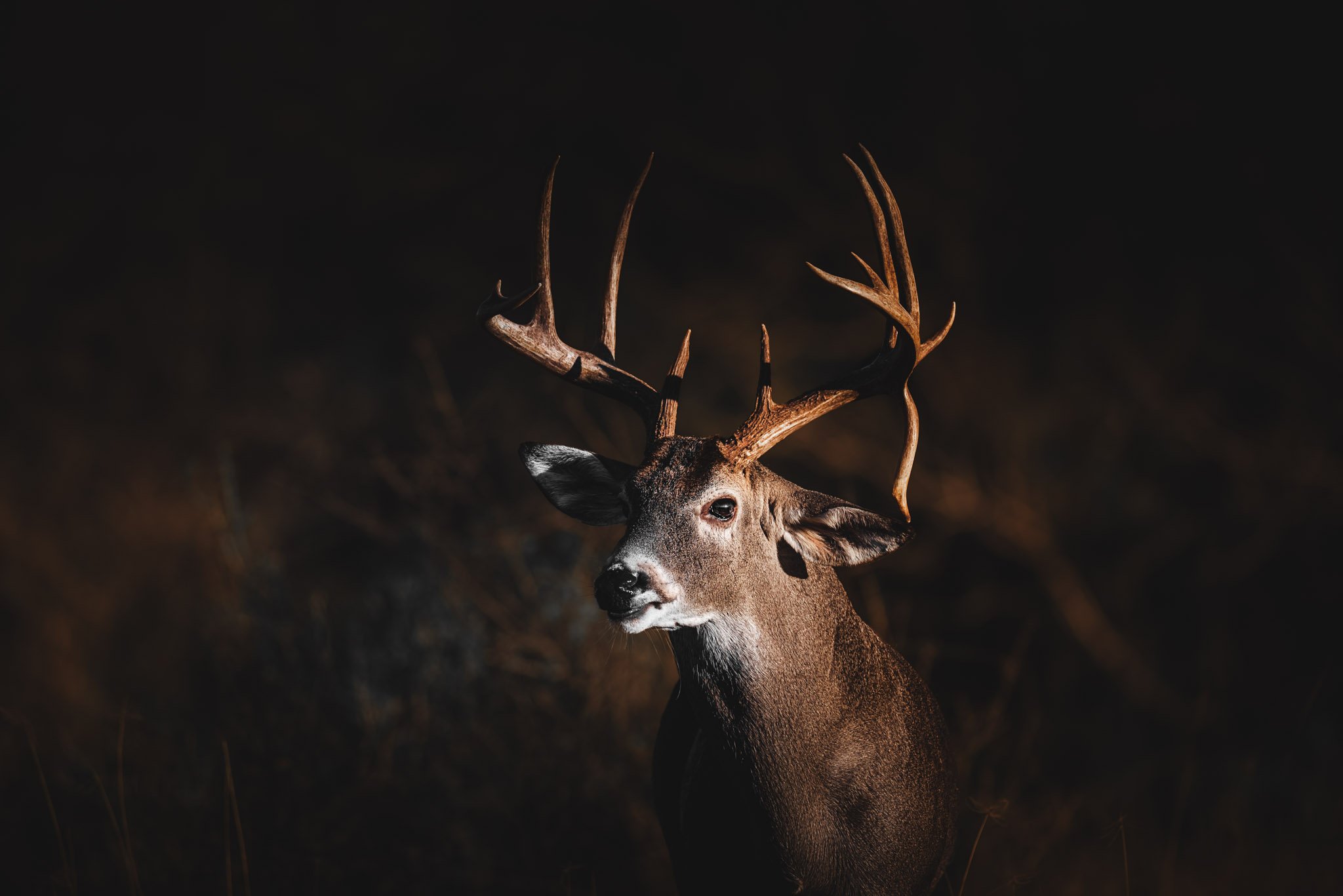
Nikon Z5, 500mm, f/5.6, 1/60. Dominick Gatto
The rut. This is a time to sit, because when bucks are covering ground unpredictably and deer are moving through funnels and along doe bedding edges, a blind on a travel pinch point will photograph more deer than your legs will, and you are in place when it happens.
Late season. Sit, and sit carefully, near late food. The deer are pressured and food focused by then and they forgive almost nothing, so a blind near a late food source is the play, and still-hunting them mostly produces photographs of white tails going away.
New property. Still-hunt, but treat the camera as the passenger. Your first job is learning the ground and any photograph is a bonus, so go in forgiving light, move on the wind, and mark the places where a blind should go.
One free morning on ground you know. Use the blind, and get in before light. There is no sense trading a known setup for the hope of wandering into something better, so you get in early and let the morning come to you.
The takeaway
Pick the method by the job and not by preference, and you will get more out of both of them. A blind is the tool for behavior and portraits and ground you know, and still-hunting is the tool for learning and variety and ground you have never walked. Most whitetail photographers end up moving to learn and sitting to shoot.
FAQ
Is a blind or still-hunting better for photographing deer?
A blind is better for the photographs, because the deer are closer and calmer and the backgrounds are under your control, and still-hunting is better for learning new ground and for varied angles, and most photographers combine the two.
How long should a blind be set up before deer accept it?
Longer is better, because deer accept a blind that has sat unchanged far more readily than one that appeared yesterday, so give it days at a minimum and weeks if you can, and brushing it in helps.
Can you still-hunt with a long telephoto lens?
Yes, but a big lens is heavy, slow to bring up, and hard to hold steady, and a monopod helps, and so does shooting off a knee or against a tree.
Which method is better for a beginner?
The blind, on a spot with regular deer traffic, because it takes movement, the hardest skill in all of this, out of the equation, and it teaches you to read deer behavior at close range.

The Wild Doesn’t Wait for You
The Hunter’s Guide to Wildlife Photography is not a technical manual. You won’t find pages of charts, gear lists, or step-by-step settings for every scenario. Instead, you’ll learn the quiet skills that hunters have relied on for generations - patience, awareness, and the ability to disappear into the environment - and how to turn those instincts into images that hold the wild within them.
Out here, there are no second chances. The moments worth capturing appear without warning, and they vanish just as quickly. The best images aren’t the product of perfect camera settings - they’re the result of reading the wind, knowing the light, and moving as if you belong in the landscape.
Every lesson comes from the field: long sits in the cold, the electric stillness before a deer steps into view, and the discipline to wait for a single moment that tells the whole story.
If you’ve ever wondered why some photographers seem to be in the right place at the right time, it isn’t luck. It’s fieldcraft.
And you’re about to learn it.
Included in this digital purchase are PDF and EPUB files which have been formatted for use on popular devices and apps including Kindle, Apple Books, Google Play Books, Kobo, Nook, and most computers, tablets, and smartphones.
